
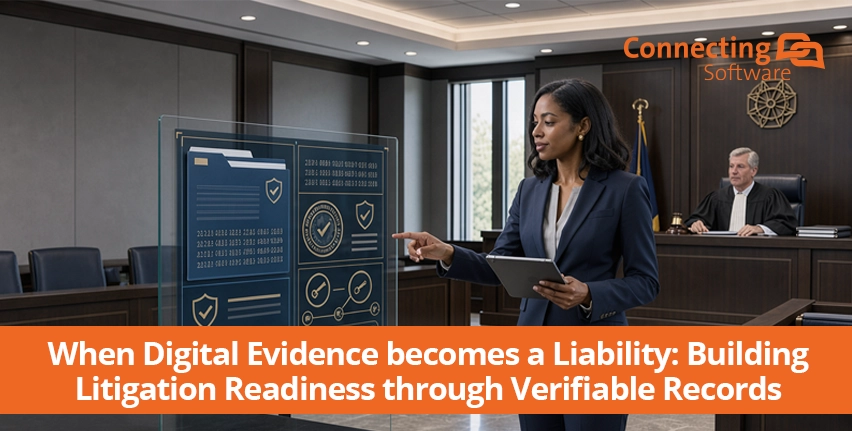
Discover how businesses can strengthen litigation readiness with verifiable digital evidence, time-sealed records, cryptographic integrity, and evidence assurance.
Below you'll find our Blockchain posts
View all blog posts
Discover how businesses can strengthen litigation readiness with verifiable digital evidence, time-sealed records, cryptographic integrity, and evidence assurance.
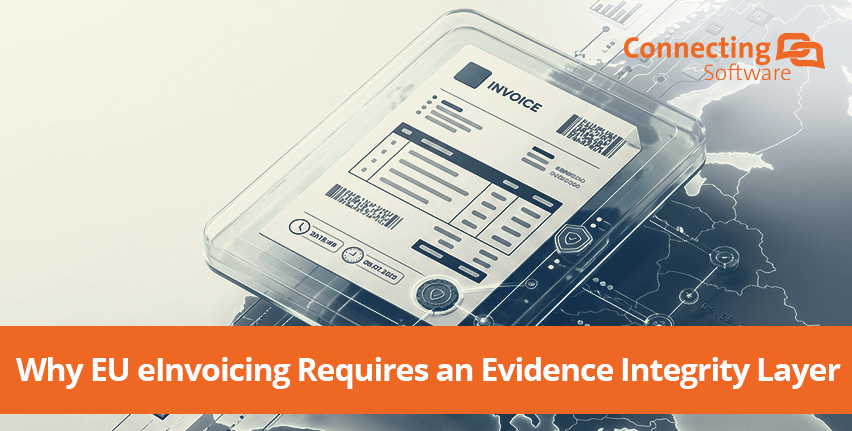
EU eInvoicing is making long-term evidence integrity essential. Learn why audit trails alone may be insufficient and how an evidence integrity layer helps preserve authentic, verifiable financial records.
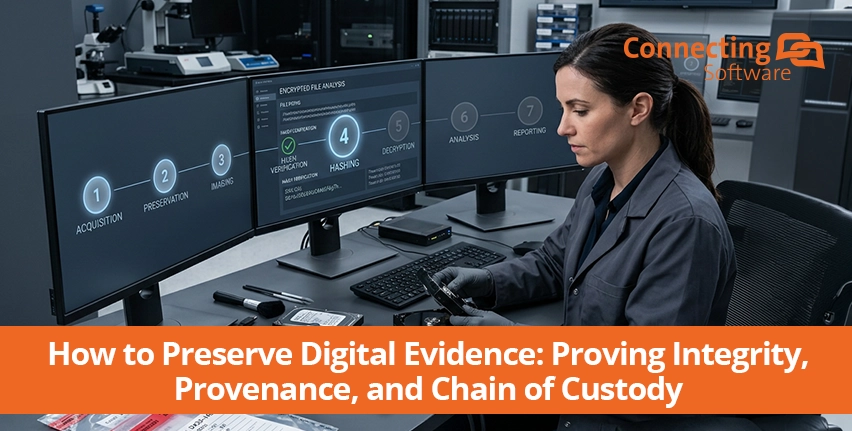
Learn how to preserve digital evidence using a seven-step process for proving integrity, provenance, and chain of custody, informed by NIST, ISO/IEC, and SWGDE guidance.
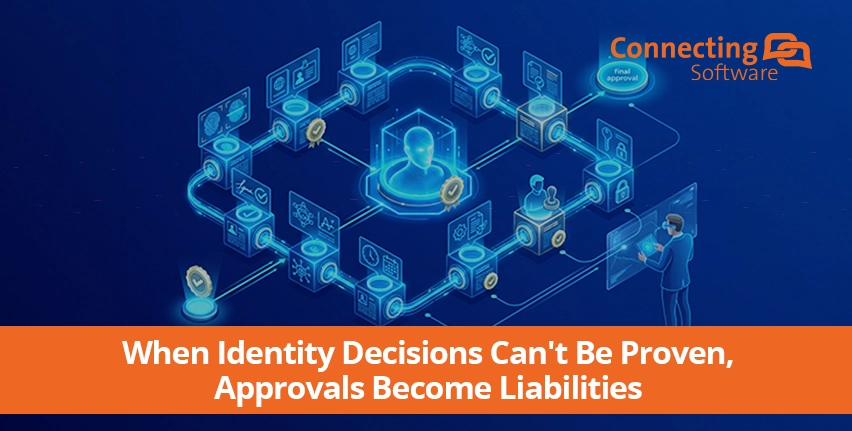
Most organizations can explain how their identity systems work. Far fewer can prove what the system processed in the moment of decision, how it weighted that evidence, and whether the record has remained unchanged since.
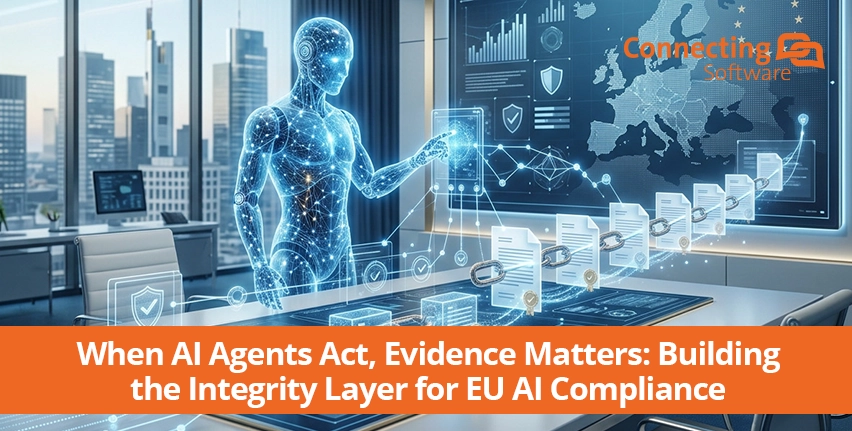
Article 14’s human oversight requirement and Article 3(23)’s “substantial modification” concept create an evidence burden that ordinary logging doesn’t satisfy.
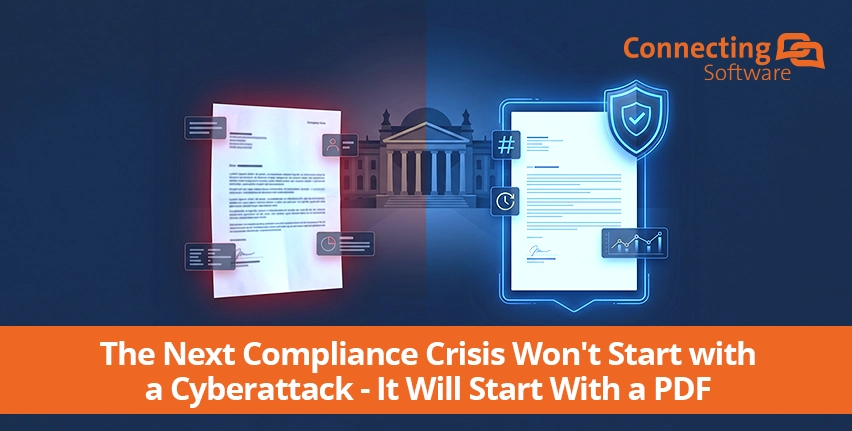
If your compliance program still treats “it looks official” as evidence of authenticity, this ruling should worry you more than your next zero-day alert.
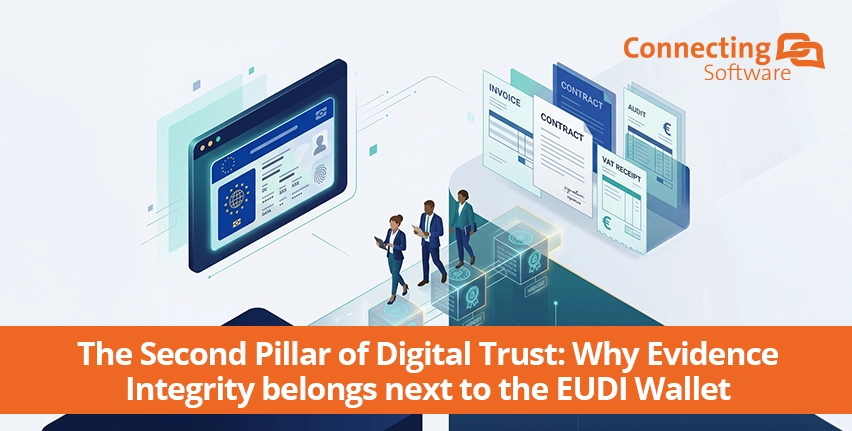
Long-term evidence integrity could help reduce SME compliance burdens, strengthen cross-border trust, and address a €128 billion VAT gap across the EU.
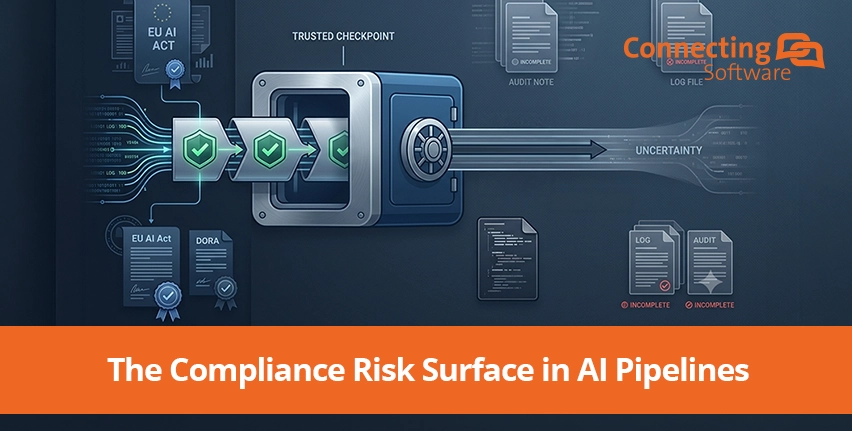
Modification after the point of trust must be provable, not assumed – and most compliance programs do not have a mechanism for that.
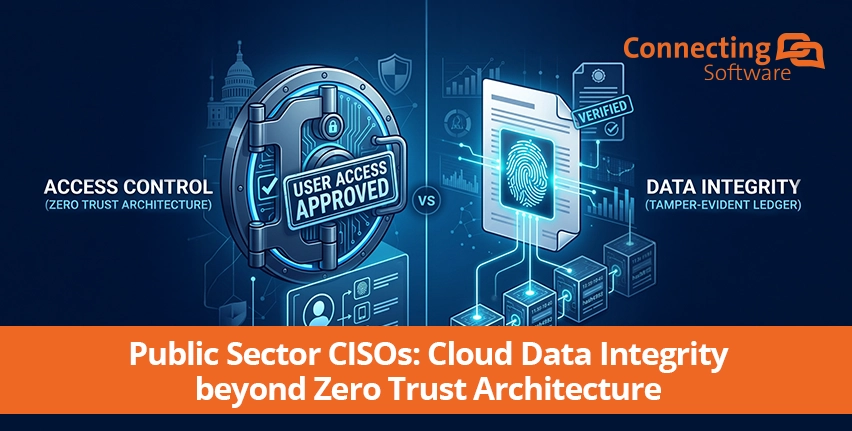
Public sector CISOs have mature Zero Trust controls. Those controls do not have data integrity guarantees. We work on how to have them.